
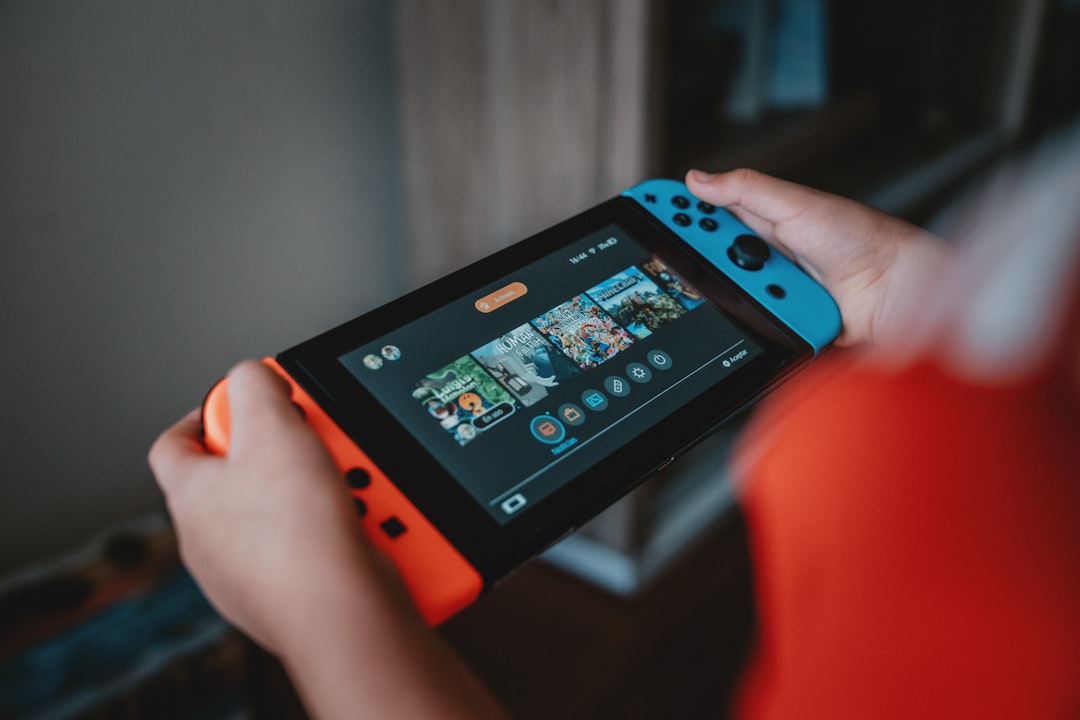
At some point I realized screen time had gotten a little too important in our house.
It wasn’t that my boys were glued to a screen all day — we already had boundaries around that. School days meant waiting until after school, non-school days meant waiting until after snack, and everything stopped at dinner. Reasonable enough on paper. But what got me wasn’t how much time they were spending on screens — it was how much they wanted them. They were always waiting for the next turn. Their imaginations weren’t where I wanted them to be, their behavior wasn’t where I wanted it to be, and given any free moment, a video game was the first thing they reached for.
I get it, honestly. Our whole family is working on our relationship with screens.
So instead of adding more restrictions, I tried something different: I wanted screen time to be something they earned, not something they were owed.
The point system
My boys now earn points for things like doing a chore without being asked, handling their own hygiene, being kind or generous, or noticing when Mom or Dad needs a hand. That last one matters to me the most, honestly — I want them to look up from what they’re doing and notice the people around them. If one of them wanders over while I’m elbow-deep in something and asks, “Do you need help?” — that’s worth points, every time.
Sometimes I’ll nudge them a little. “Hey, if you want some points, might be a good time for a shower.” Or before dinner, “If you want points tonight, brush your teeth before I have to remind you.” Independent hygiene is still very much a work in progress here, but I’m trying to help them connect the dots between handling their responsibilities and earning the things they want.
They spend their points from a little rewards menu — a special dessert, a trip to Five Below, sometimes they’ll even pool points together for something bigger. But nine times out of ten, they choose screen time. And honestly? That’s fine by me. I’m not trying to trick them into wanting something else. They know the cost, they know what they want, and they get to decide if it’s worth it. I made screen time cost more points on purpose, because I know exactly how much they value it.
If they don’t have enough, they save. It might take a week, it might take three. There’s no reset, points don’t expire, and that part I really love — it’s teaching them to sit with wanting something instead of getting it right away.
One rule I feel strongly about: I never take points away for regular bad behavior. Those points represent things they already did. If they’ve got 35 points, those are still their 35 points. Instead, there might be a consequence where they simply don’t earn new ones for a while — we jokingly call it their “account being frozen.” It sounds silly, but I like that it keeps the two things separate: their behavior has consequences, but I’m not erasing work they already put in.
It was never really about the screens
The longer we’ve done this, the more I’ve realized the screen time itself isn’t the point. It’s just what motivates them right now. What I actually want them to learn is that good things take time — that sometimes you save, sometimes you notice what needs doing and just do it, and sometimes doing something kind means thinking about someone other than yourself. Those lessons hold whether the reward is a video game or a candy bar.
I’m not going to pretend this turned my kids into perfectly responsible little people overnight. Their rooms still get messy. I still have to remind them about brushing their teeth. There are still plenty of days where they’d rather play than do the thing they’re supposed to do. But I’ve noticed real, if small, shifts — better behavior, better independent play, more of them noticing what’s happening around them without being told. Nothing dramatic. Just small things that, as a mom, mean a lot.
It looks different for each kid
My daughter’s version of this looks nothing like her brothers’. She couldn’t care less about screens, so there’s no point building a system around something she doesn’t want. Right now we’re in the thick of potty training, so for her it’s a glittery sticker and a little lollipop when she does well. Simple as that. It reminded me that the system doesn’t have to look the same for every kid — it’s not really about the chart or the points, it’s about meeting each one where they are.
And I’m working on this too
I can’t write all this without admitting I’m working on my own screen habits right along with them. Running Honey & Hymns means a lot more time in front of a screen than people probably assume — writing, editing, designing, all the behind-the-scenes stuff. It’s easy to lose more hours to it than I mean to. My version of this isn’t points and rewards, but the lesson underneath is the same: deciding what actually deserves my attention, and remembering that just because I can be on a screen all day doesn’t mean I should.
I don’t think screens are the enemy. My boys genuinely enjoy their games, and I don’t want them to feel guilty about that. I just didn’t want screens to be the thing they woke up thinking about, or the automatic answer to every free minute, or the thing I was constantly nagging them about.
So we’re trying this instead — tying privileges to responsibility, practicing patience, encouraging them to notice each other, and learning that something can be fun without needing to be the center of everything. We’re still figuring it out as we go. But I’m learning that the goal was never finding the perfect rule. It’s just helping them practice habits I hope will one day be their own.